Your certificate
A personalised digital certificate with the name you choose.
Certificate of symbolic adoption
Your chosen name
has met
A polar bear character
Meet a fictional character inspired by the polar bear, and follow their gentle adventures through a story made to feel like yours.
The character is fictional. Membership includes story content and a personalised certificate.
A personalised digital certificate with the name you choose.
Certificate of symbolic adoption
Your chosen name
has met
A polar bear character
A made-up friend inspired by the real polar bear.
Carefully sourced notes about the animal that inspired the story.
The character is made up. The species facts are sourced separately and shown with their references.
An Arctic bear with a marine connection
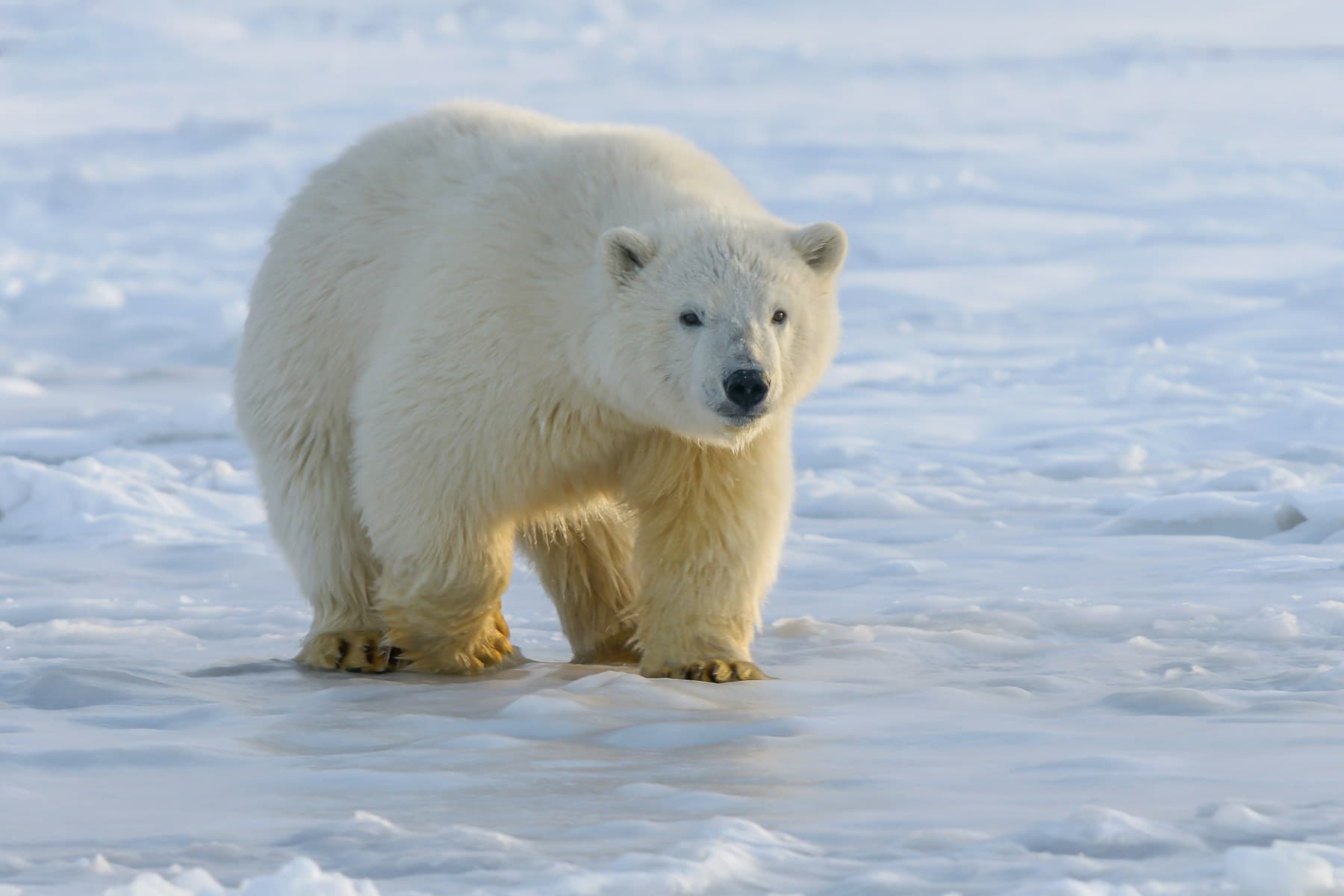
The polar bear (Ursus maritimus) lives around the Arctic, where sea ice is central to its way of life. The ice is a platform from which bears travel and hunt, and it connects them with seals, especially ringed and bearded seals. Polar bears are powerful swimmers, but open water is not a replacement for the productive hunting ground that seasonal sea ice provides. A thick coat and a layer of body fat help insulate the bear in a cold environment. Its large paws help distribute weight on snow and ice and work as paddles in water. Polar bears have an excellent sense of smell, useful for locating prey across a wide landscape. Individuals and populations do not all behave in exactly the same way: local conditions, ice patterns and prey availability matter.
Source: WWF ↗Sea ice changes the whole food web
The Arctic sea-ice environment supports a food web that includes plankton, fish and seals. When the timing, extent or quality of sea ice changes, polar bears can lose access to hunting areas. The effects are not identical across the Arctic, and monitoring has found differences among regional populations. It is more accurate to describe a changing, regionally varied picture than to suggest every bear faces the same immediate outcome. The loss and fragmentation of sea ice associated with a warming climate is identified as the primary Arctic-wide threat. As bears spend more time on land in some places, encounters with people can become more likely around settlements and stored food. Coexistence work must respect the safety and rights of Arctic communities as well as the needs of wildlife.
Source: WWF ↗Why researchers track local conditions
Scientists monitor sea ice, bear body condition, movement and reproduction to understand how environmental changes affect different populations. Research findings should be reported with their date and geographic scope; one regional result should not be presented as a universal trend.
Source: WWF ↗Join the monthly story membership, add a name to the certificate and make it a gift with a short dedication.
Monthly membership: £9.99, billed each month. Cancel at any time in your membership account.
1% of each monthly payment will be transferred to International Animal Rescue to support protecting animals around the world
Personalise the certificate
Memberships are opening soon
The price is £9.99 per month. Checkout is not open yet. No payment or personal details are collected here.
1% of each monthly payment will be transferred to International Animal Rescue to support protecting animals around the world
No. It is a symbolic adoption of a fictional polar bear character with a monthly story membership.
Yes. The membership is £9.99 per month, billed monthly.
1% of each monthly payment will be transferred to International Animal Rescue to support protecting animals around the world